
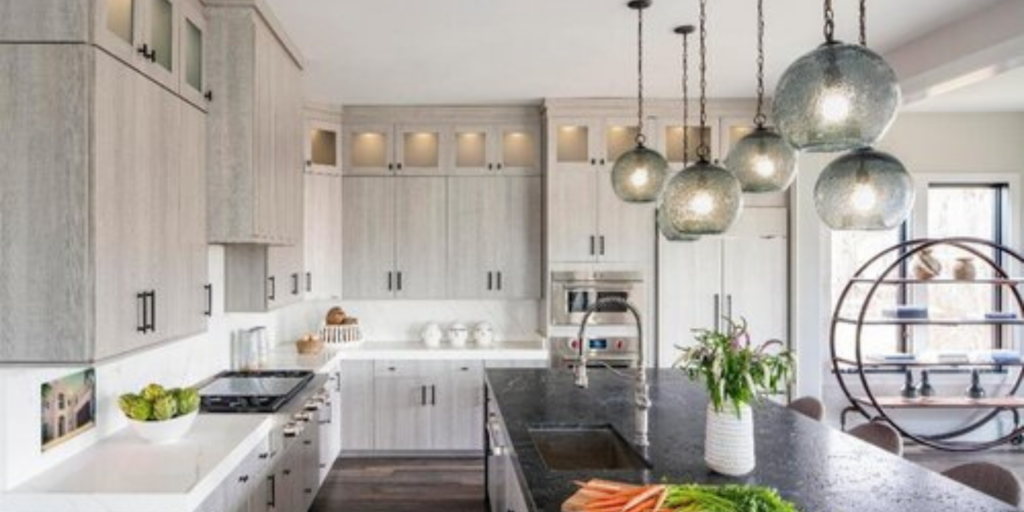
Lighting layers make the crucial difference between a flat, uninspiring room and a vibrant, engaging space. These layers can transform dull or uniform spaces into engaging ones and let you adjust a room’s mood with minimal effort.
Lighting layers combine three essential types: ambient light, task lighting, and accent lighting. This approach serves both beauty and function. A kitchen needs targeted lights in critical work areas to create a bright and safe atmosphere for manual tasks. A well-laid-out lighting plan typically requires about 20 lumens per square foot, while accent lighting shines three times brighter than the surrounding ambient light.
This piece explores effective lighting layer techniques throughout your home’s spaces. You’ll discover why these matter for both design and daily living, along with practical tips for every room. Understanding lighting layers will change how you think about your living environment’s illumination, whether you plan to redesign your entire home or enhance a single space.
Understanding the Three Layers of Lighting
A well-lit home needs more than just a bright light in the middle of each room. The secret lies in creating layers of lighting that blend together to boost both functionality and style.
Ambient lighting: the base layer
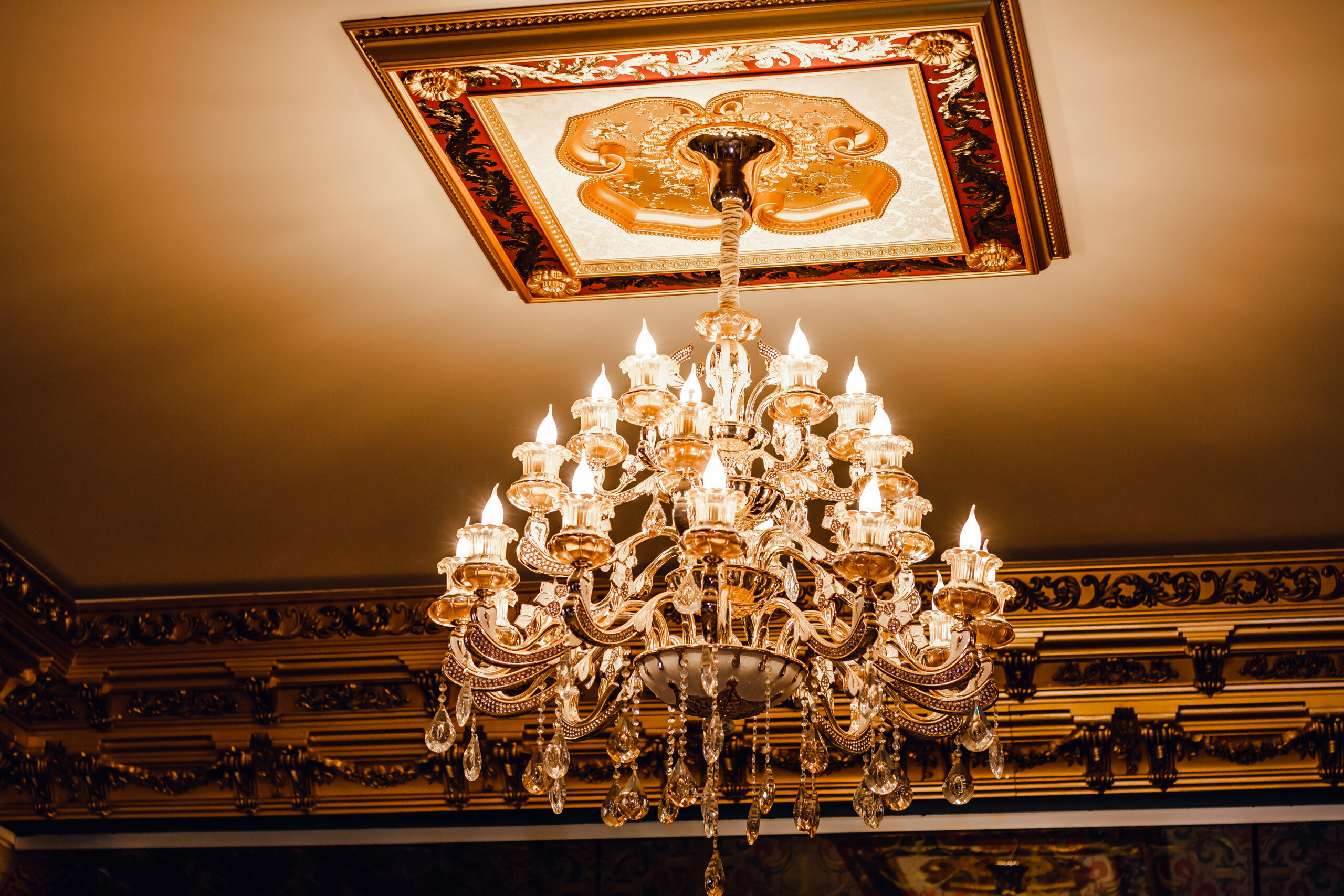
Your lighting design starts with ambient lighting as its foundation. This base layer lets you move safely through your space with overall illumination. People often call it “general lighting” because it creates an even canvas of light. You’ll find ambient lighting in ceiling-mounted fixtures such as chandeliers, recessed lights, flush mounts, or semi-flush fixtures that spread light evenly. The room’s total lighting needs about 75% from this layer to provide enough brightness for simple visibility without harsh shadows. Ambient lighting also sets your space’s mood and tone, which makes it a vital part of creating a comfortable environment.
Task lighting: focused and functional
Task lighting works differently from ambient lighting with its directed and purposeful approach. This second layer shines concentrated light on specific activities like reading, cooking, or applying makeup. You need task lighting to be 2-3 times brighter than ambient lighting to protect your eyes during detailed work. Desk lamps, under-cabinet kitchen lights, bathroom vanity lights, and pendant lights above kitchen islands or dining tables are common examples. Task lighting works best when you can adjust it and position it to avoid shadows and glare. Most task lights come with adjustable arms or heads so you can point light exactly where you need it.
Accent lighting: adding depth and style
Accent lighting completes your layered lighting design by adding visual interest and dimension. This decorative layer makes specific features pop – like artwork, architectural details, or special items you want to showcase. The light should be three times brighter than the ambient light around it to work properly. This contrast creates eye-catching focal points that add character to your room. Track lights, wall sconces, picture lights, and LED strip lighting are popular choices for accent lighting. This layer lets you express your creativity and personality. The right accent lighting can change a basic room into a space with depth, drama, and style.
Why Layered Lighting Matters in Home Design
Layered lighting goes beyond being just another design trend—it reshapes the scene of how we live in our homes. A well-laid-out lighting plan affects both how we use our spaces and how they make us feel.
Creates visual balance and comfort
The right mix of layered lighting brings depth and dimension to rooms that might look flat or dull. Multiple light sources create visual interest and energy that a single light source can’t match. This balanced approach gets rid of harsh shadows and uncomfortable glare you often see with just one overhead light. The rooms feel welcoming and well-designed, making them places where people want to spend their time.
Improves functionality for daily tasks
Layered lighting’s adaptability stands out as one of its best features. Different activities need different types of light, and layers let you adjust as needed. Your needs change throughout the day—from bright, focused light while preparing breakfast to soft, ambient lighting when you’re relaxing in the evening. The flexibility means no light works alone, which saves energy since you use only what you need. Well-designed task lighting in kitchens, bathrooms, and work areas helps prevent eye strain and makes accidents less likely.
Boosts mood and atmosphere
Light shapes how we feel about spaces. Smart layered lighting lets you switch between energetic and cozy atmospheres with a few simple changes. Sarah Gibson points out that “Lighting has a big impact when it comes to creating ambiance and the overall mood”. Dimming options and smart placement let you change a room’s character without moving any furniture. Research shows that lighting that matches natural patterns might help your circadian rhythm, leading to better sleep and overall health.
Emphasizes architectural features
Layered lighting shows off your home’s special features. Accent lighting brings attention to artwork, textured walls, unique architectural details, or favorite pieces. These spotlights work best when they’re three times brighter than the room’s general lighting to create eye-catching focal points. This subtle technique adds character to spaces that might go unnoticed.
How to Layer Lighting in Different Rooms
Your home’s rooms serve different purposes, and each one needs its own lighting plan. A well-thought-out lighting setup can boost both how well a room works and how it feels.
Living room: layered lighting for flexibility
Your living room just needs multiple light sources – a single overhead light creates a flat, unwelcoming feel. Start with ambient lighting from ceiling fixtures. Add table lamps beside a fireplace or floor lamps to create cozy reading spots. Well-placed wall sconces can showcase artwork or architectural details and add visual interest. Put all fixtures on separate switches or dimmers. This lets you adjust the room’s mood from lively gatherings to quiet reading time.
Kitchen: combining task and ambient lighting
Don’t rely only on recessed spotlights in your kitchen. Pendant lights above an island or bar create dedicated work zones while adding style. Under-cabinet lighting helps you see countertops clearly when preparing food. LED strips work best here as they provide even light without shadows. Combine ceiling fixtures with wall lights to define spaces in open-plan kitchens. This layered approach gives you both practical cooking light and nice dining ambiance.
Bedroom: soft layers for relaxation
Bedside lamps are a natural starting point for bedroom lighting. But go beyond this simple setup with wall-mounted sconces as reading lights – they’ll free up your nightstand space. A ceiling fan with built-in lights or semi-flush mounts works well for overall lighting. Wall sconces or LED strips can add accent lighting that creates a peaceful mood. Warm lighting (2700K-3000K) helps you relax better.
Bathroom: balancing function and comfort
Your bathroom lighting should go together with both function and comfort. Begin with ceiling lights or flush mounts for general lighting. Place vanity fixtures at eye level (65-70 inches from floor). This creates even light on your face without shadows. High CRI lighting (90+) is crucial here – it shows colors accurately when you’re applying makeup. Add some layers with under-vanity strips or cove lighting for a spa-like feel. This smart combination turns your bathroom from just functional to a relaxing prep space.
Tips for Choosing and Controlling Light Fixtures
The success of your layered lighting design depends on choosing the right fixtures and controls. Your lighting plan works best when these components blend together.
Use dimmers and smart controls
Every light fixture in your home should have a dimmer. This simple upgrade adds luxury without breaking the bank. Dimmers give you the power to switch from bright, energizing daytime light to soft, warm evening ambiance. Smart lighting systems take this flexibility even further. You can create preset “scenes” that activate with one button press. These controls let you adjust each layer on its own. You might want bright lights over your kitchen island while keeping nearby areas cozy and dim during parties.
Match color temperature to room purpose
Color temperature plays a vital role in setting the right mood and function of a room. Warmer lights (2700K-3000K) create coziness in living areas and bedrooms. Kitchens and bathrooms work better with cooler temperatures (3500K-4000K) that help you see better and stay focused. LEDs with adjustable color temperatures offer the most versatility. “Dim-to-warm” technology transforms from bright 3000K to a candlelight-like 1800K as you dim the lights. Your spaces adapt easily from daytime tasks to evening relaxation.
Mix fixture types for better layering
A room’s design shines with different fixture types—chandeliers, pendants, sconces, and lamps. Each adds its own height and visual rhythm. Your choice of chandelier can guide the selection of other lights in the room. The fixtures don’t need to match perfectly. Instead, pick complementary styles that create depth through variety while keeping the design cohesive.
Consider natural light in your design
Natural light works with your artificial lighting to complete the scheme. Your design should factor in windows, seasonal light changes, and outdoor lighting like streetlamps. Window treatments give you control. Drapery, shades, or blinds can soften or reduce daylight based on their material. Rooms with strong daylight need slightly cooler LED temperatures (3500K-4000K). This prevents the light from looking yellowish near windows.
Conclusion
Layered lighting forms the foundations of a well-laid-out home illumination plan. In this piece, we’ve looked at how ambient, task, and accent lighting work together. This approach changes ordinary rooms into adaptable spaces that fit your needs throughout the day.
The three lighting layers will give you complete control over your home’s atmosphere. Ambient lighting acts as the base layer you need. Task lighting helps you perform specific activities safely and comfortably. Accent lighting, without doubt the most creative element, adds character and emphasizes your home’s best features.
Every room needs its own lighting strategy. Living rooms work best with multiple light sources. Kitchens need focused task lighting with ambient options to complement. Bedrooms benefit from soft, layered illumination. Bathrooms require a balance between functional lighting and comfort.
Your choice of controls and fixtures matters just as much. Dimmers boost versatility and let you adjust lighting based on time or activity. Color temperature selection adds flexibility. Warmer tones create cozy atmospheres while cooler temperatures help improve focus in work areas.
Natural light and different fixture types complete an effective lighting design. These elements create balanced, comfortable, and thoughtfully designed spaces.
Layered lighting principles will help you enjoy your home in new ways. Your rooms will feel more spacious. Activities will become easier. Your space will show your personal style authentically. Lighting isn’t just about brightness – it creates environments where you feel right at home.
FAQs
Q1. What are the three main layers of lighting in home design? The three main layers of lighting are ambient lighting (general illumination), task lighting (focused light for specific activities), and accent lighting (highlighting features and creating depth).
Q2. How does layered lighting improve functionality in a home? Layered lighting enhances functionality by providing appropriate illumination for different activities, reducing eye strain, and allowing for adjustments throughout the day to suit various needs.
Q3. What’s the importance of dimmers in a layered lighting setup? Dimmers are crucial as they allow for flexibility in adjusting light intensity, helping to create different moods and atmospheres while also potentially saving energy.
Q4. How should lighting be layered in a kitchen? In a kitchen, combine ambient lighting (like ceiling fixtures) with task lighting (such as under-cabinet lights) and accent lighting (like pendant lights over an island) to ensure both functionality and ambiance.
Q5. What role does color temperature play in lighting design? Color temperature affects the mood and functionality of a space. Warmer temperatures (2700K-3000K) create a cozy atmosphere in living areas, while cooler temperatures (3500K-4000K) enhance focus in task-oriented spaces like kitchens and bathrooms.



 English
  Spanish