
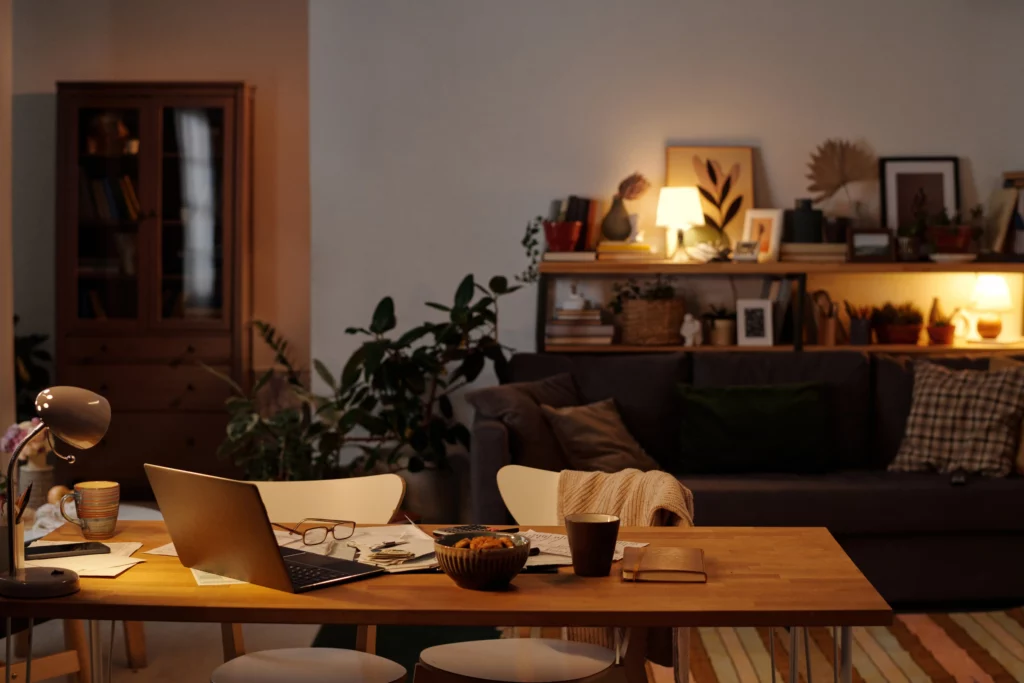
Modern lighting in 2026 reaches way beyond simple illumination. Light fixtures now serve as emotional focal points that double as purposeful art pieces. Our experience as interior designers shows how lighting has evolved to become the centerpiece of modern spaces rather than just a functional element.
Today’s lighting trends mirror the broader design movements. Colored glass chandeliers in green, blue, and pink have become popular choices. Designers now favor organic curves, asymmetrical lines, and monumental silhouettes. High-quality vintage lighting pieces have gained attention because of their distinctive visual appeal. Modern interior spaces feature oversized domes that create dramatic statements. On top of that, LED technology will likely power almost every trending light fixture by 2026.
This piece explores these lighting styles’ appeal to interior designers, their space-transforming potential, and which trends will last beyond their current popularity.
Sculptural and Artistic Fixtures Take the Lead
Sculptural lighting has surpassed its basic function to become the hottest trend in interior design by 2026. These fixtures do more than just illuminate – they start conversations and reshape spaces through their form and function.
Why sculptural lighting is more than decor
Light fixtures now serve as emotional centerpieces – art that adds purpose and sculptural tension to rooms. These designs inspire conversation through organic curves, asymmetrical lines, and unexpected negative space. They ground spaces and create expressive, unexpected lighting patterns. These pieces stand out because they create visual movement even when switched off. They add an extra layer of intention to consoles, shelves, and bedside tables. Designers love these fixtures as “Daytime Sculptures” – pieces that bring visual tension to make rooms feel luxurious and refined. The flowing shapes soften modern spaces and add gentle movement to traditional interiors. This shows how lighting can be both beautiful and personal.
Popular shapes: curves, orbs, and asymmetry
Soft, fluid shapes have replaced rigid geometry in 2026 lighting trends. Designers now embrace:
- Organic curves and arches that flow with natural motion
- Orb-shaped fixtures showing harmony and balance
- Asymmetrical arrangements that create balance through repeated elements
These shapes bring depth and mystery to interiors. Curved lighting softens your view and creates a fluid, inviting effect. People love spherical forms both for their look and their connection to nature – they represent completeness and unity. Asymmetrical fixtures work great in modern spaces and create a relaxed look that stays dynamic with matching textures.
Blown glass and artisan-made pieces
Hand-blown glass defines modern sculptural lighting. Each bubble, ripple, and wave shows the craftsman’s touch – proof that every piece stands alone. Small variations in hand-blown glass create something special through color changes and light diffusion. Murano glass pendants combine sculpture with soft light and bring elegance to modern rooms. These artisan fixtures come from creativity and passion, making each piece unique. They help make spaces personal through custom colors, hand-finished details, or experiments with materials like stone, ceramic, and glass.
Natural Materials and Earthy Finishes
Natural materials are leading the way in 2026’s design world, with trending lámparas showcasing authenticity. These organic elements bring unique character and texture that mass-produced alternatives can’t replicate.
Rattan, linen, and organic textures
Designers love fixtures with natural fibers and woven elements. Rattan pendants and linen-blend shades create soft, warm light that makes spaces feel inviting. These materials tell stories through their organic textures. The Jake Arnold-designed Allegra Rattan and Linen Dome Pendant shows this trend perfectly with its flared dome frame wrapped in rattan and a linen-blend diffuser. Boutique lighting manufacturers now offer everything from woven rattan pendants to textural flush mounts that add earthy warmth to modern interiors. These authentic materials create welcoming focal points that work in both minimalist and maximalist spaces.
Aged brass and patina metals
Subtle, lived-in finishes have replaced the polished metallics we saw before. Aged brass stands out with its warm, honey-gold look and subtle black undertones that create a refined, timeworn appearance. This mellow brass look works great with:
- Lacquered bronze with deep tones and gold/copper undertones
- Tarnished brass with anti-fungal properties
- Satin-finish metals that resist fingerprints
Metal surfaces with patina last longer thanks to their protective layer that helps curb corrosion. This chemical process gives ordinary metals beautiful verdigris, pewter, or rainbow effects that add instant vintage character.
Stone, ceramic, and plaster in modern lighting
Plaster fixtures are back, but with more sculptural forms than their 1980s versions. These pieces add luxury through organic shapes and textural warmth. Ceramic lighting blends art with function—porcelain chandeliers and handmade clay pendants look beautiful lit or unlit. Handmade ceramics feature natural drips, color variations, and artisan marks that connect us in a world that values perfection. These materials complement veined stone elements beautifully, adding movement and natural presence to modern spaces.
Lighting That Sets the Mood
Modern lighting design in 2026 goes beyond mere esthetics. Adaptable systems create emotional experiences that matter more than the fixtures’ appearance to interior designers.
Layered lighting for emotional comfort
The combination of ambient, task, and accent sources at different heights revolutionizes spaces. Rooms feel larger and more welcoming with added visual depth. Design experts suggest that strategic layering enables smooth transitions between bright daytime lighting and sophisticated evening ambiance. This approach supports daily wellbeing by adapting to various activities and moods throughout the day. Designers achieve balanced light distribution by thoughtfully placing floor lamps, table lamps, and wall sconces that minimize harsh shadows and improve comfort.
Dimmable and warm-tone LEDs
New LED technology captures the cherished qualities of incandescent bulbs while offering better efficiency. Warm-glow dimming technology lets lights change from brighter, neutral tones to intimate amber glows (as low as 1800K). This feature has become crucial since new residential construction now requires dimmers. Designers actively seek LEDs that keep their warm tones instead of becoming cooler when dimmed, which maintains the cozy atmosphere people want in their relaxation spaces.
Iluminación inteligente for flexible ambiance
Modern smart lighting systems feature user-friendly controls and subtle automation that complement daily life without overwhelming technology. Users can now access tailored scenes, dimming schedules, and mood-based presets that match their space usage patterns. Advanced systems now include AI capabilities that respond to simple voice commands – saying “I want to relax” triggers calming blue tones automatically.
Mood lighting in bathrooms and bedrooms
Bathroom designs now create spa-like experiences through multiple lighting options. Wall lamps with frosted glass provide soft, dimmable light that enhances relaxing bath time. Bedroom lighting focuses on healthy sleep patterns. A combination of dimmable ambient fixtures and bedside task lighting with warm temperatures (2700K-3000K) helps signal the body to rest.
Timeless Trends with a Personal Touch
Some lighting styles continue to charm us despite the rise of new design trends, and 2026’s fixtures offer fresh interpretations of timeless classics.
Vintage revival: Murano glass, mushroom lamps
Venice’s handcrafted Murano glass engages designers with its subtle imperfections, vibrant colors, and distinctive light diffusion. These artisanal pieces, with their 13th-century heritage, add elegance to modern spaces through their sculptural yet soft appearance. A single statement Murano pendant or sconce works best to avoid overwhelming the space. The 1970s mushroom-shaped lamps have also staged an impressive comeback. These versatile pieces fit many design styles, from classic brass desk lamps to bold glass accents that brighten bookshelves.
Customizable fixtures and bespoke shades
Personalization has transformed designers’ approach to lighting. Avenue Lighting can “make anything in any color, size or finish,” showing how custom options have expanded. Artisans who craft bespoke lampshades use exceptional textiles from around the world to create heirloom-quality pieces that reflect individual style rather than mass-market trends. These personalized lighting solutions help spaces gain character by matching architectural features and client priorities perfectly.
Quiet luxury and emotional minimalism
This refined style values understated elegance over bold statements. The 2026 lighting trends will focus on atmosphere rather than brightness, using warm tones to create serene, livable spaces. Emotional minimalism blends clean lines with organic materials and subtle textures. The result? Fixtures that feel both modern and soulful—simple yet never dull.
Conclusión
Lighting design has evolved beyond functionality to become a vital element that creates emotionally resonant spaces. The year 2026 showed us how sculptural fixtures, natural materials, and mood-enhancing technologies revolutionize interiors. These lighting trends show our deeper desire for authenticity, craftsmanship, and personal expression at home.
The move toward artistic lighting is more than just another trend. Hand-blown glass pendants, organic shapes, and artisanal fixtures create character that mass-produced alternatives can’t match. On top of that, smart technology allows these beautiful pieces to adapt naturally to our daily needs.
These lighting trends are exciting because they’re so versatile. You’ll find options for every style preference – from the warm glow of aged brass fixtures to textural rattan pendants and sculptural plaster sconces. Finding lighting that matches your personal style and enhances your space is easier than ever.
Lighting design’s future strikes a balance between state-of-the-art features and timeless appeal. While trends will keep evolving, the fundamental change toward viewing lighting as purposeful art is here to stay. The best lighting doesn’t just brighten a room—it creates atmosphere, stirs emotion, and turns ordinary spaces into extraordinary ones.
We encourage you to look beyond simple illumination when picking fixtures for your home. The right lighting shapes mood, emphasizes architectural features, and shows your personal style. Your space can transform from well-lit to truly remarkable with the right lighting choices.
Preguntas frecuentes
Q1. What are the key lighting trends for 2026? The key lighting trends for 2026 include sculptural and artistic fixtures, natural materials like rattan and linen, mood-enhancing smart lighting, and a revival of vintage styles such as Murano glass and mushroom lamps.
Q2. How are LED lights evolving in interior design? LED lights are becoming more sophisticated, offering warm-glow dimming technology that mimics incandescent bulbs. They can shift from brighter, neutral tones to intimate amber glows when dimmed, maintaining a cozy atmosphere in relaxation spaces.
Q3. What role does customization play in current lighting trends? Customization is increasingly important, with designers offering bespoke options for color, size, and finish. This allows for personalized lighting solutions that perfectly match architectural features and individual preferences, creating unique and character-filled interiors.
Q4. How is smart lighting enhancing home environments? Smart lighting systems now offer intuitive controls and subtle automation, with customizable scenes, dimming schedules, and mood-based presets. Some advanced systems even incorporate AI features that respond to voice commands, adapting the lighting to specific activities or moods.
Q5. Why are natural materials becoming popular in lighting fixtures? Natural materials like rattan, linen, and hand-blown glass are trending because they add character, texture, and a sense of authenticity to spaces. These materials tell a visual story through their organic textures and create a warm, inviting atmosphere that mass-produced alternatives can’t match.


 Spanish
  English