

When we step into a room, our brains immediately process the atmosphere before we even notice the furniture or the paint color. This “feeling” is largely dictated by the various intensities of light present in the space. Lighting intensity isn’t just about how bright a bulb is; it is about the scientific measurement of visible light (lumens), the concentration of that light on a surface (lux), and the emotional response it triggers in the person inhabiting the room.
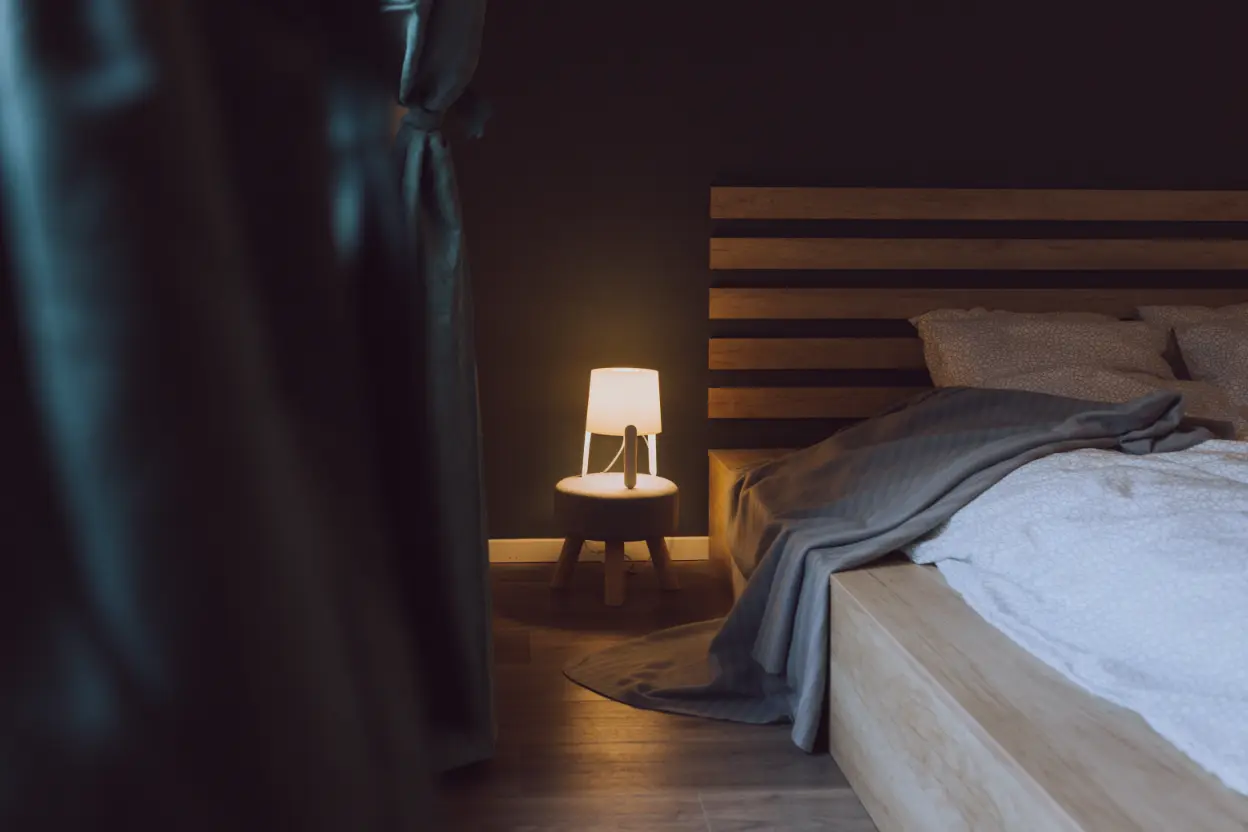
At Dominion Lighting, we believe that mastering light intensity is the difference between a house that feels like a showroom and a home that feels like a sanctuary. Whether you are prepping a meal in a high-intensity kitchen or winding down in a low-intensity bedroom, understanding the balance of these levels is essential for functional and beautiful design.
The Science of Light Intensity: Lumens vs. Watts
For decades, we measured the “power” of a light bulb by its wattage. However, wattage only tells us how much energy a bulb consumes—not how much light it emits. In modern design, we focus on lumens to determine the actual intensities of light.
A high-lumen output is necessary for areas where precision is key, while lower lumens are preferred for creating intimacy. When selecting fixtures, it is also important to consider the “Color Rendering Index” (CRI) and color temperature, as these factors influence how we perceive intensity. High-intensity cool light can feel clinical, while high-intensity warm light can feel golden and inviting. To see how these elements are coming together in modern homes, you can explore the interior lighting trends for 2025, where “human-centric lighting” is becoming the gold standard.
The Three Layers of Intensity
A well-designed room uses a “layered” approach to manage different intensities of light. By separating light into three distinct categories, you gain total control over the environment’s mood.
1. Ambient Lighting (General Intensity)
This is the base layer of your room. It provides the overall illumination necessary for safe movement. In a hallway, for example, ambient light ensures you can see where you are going without shadows or glare. For advice on achieving the perfect base layer in transitional spaces, see our guide on the best lighting for hallways.
2. Task Lighting (High Intensity)
Task lighting is localized and high-intensity. It is designed to help you perform specific activities like reading, cooking, or applying makeup. Under-cabinet LEDs in a kitchen or a swing-arm lamp over a desk are perfect examples of using concentrated intensity to prevent eye strain.
3. Accent Lighting (Visual Intensity)
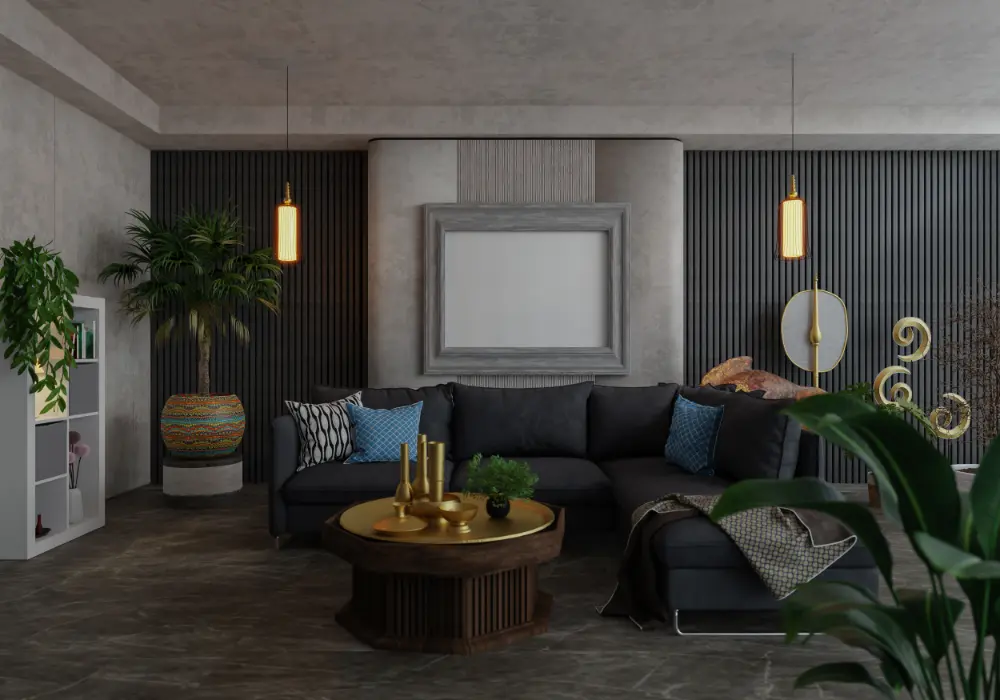
Accent lighting is used to highlight architectural features, textures, or artwork. This layer often uses the highest intensity relative to the surrounding area to draw the eye toward a specific focal point, such as a fireplace or a sculpture.
Controlling Intensity with Dimmers and Smart Tech
The most beautiful rooms are dynamic—they change throughout the day. The intensities of light required at 8:00 AM during a busy breakfast are vastly different from what is needed at 8:00 PM during a dinner party.
Dimmers are the most effective tool for managing light intensity. By installing dimming systems, you can instantly shift a room’s purpose. Modern smart systems, such as Lutron or Ketra, take this a step further by automatically adjusting intensity and color temperature based on the position of the sun. This “circadian lighting” helps regulate your body’s internal clock, providing high-intensity blue-toned light in the morning to wake you up and low-intensity warm light in the evening to help you produce melatonin.
Designing for Intensity: The Dominion Approach
Choosing the right fixtures to achieve these varied intensities of light can be overwhelming. Do you need a high-output recessed can or a decorative pendant with a soft glow?
At Dominion Lighting, we bridge the gap between technical specs and aesthetic vision. Our experts don’t just look at a catalog; we look at your lifestyle. Through a professional lighting design consultation, we can calculate the exact “foot-candles” (a measurement of light intensity on a surface) required for your specific floor plan. This ensures that your kitchen island is bright enough for meal prep, while your dining table remains a place of soft, atmospheric glow.
Experience Light Intensity in Person
Reading about light intensity is one thing; seeing it is another. A “soft” light in a photograph might look very different in your actual living room depending on your ceiling height and wall color.
We invite you to visit our showroom locations in Arlington and Chantilly. Our displays allow you to interact with different intensities in real-time. You can test dimming systems, compare lumen outputs between different brands, and see how various finishes (like aged brass versus polished chrome) reflect and amplify light intensity in different ways.
Conclusion
Mastering the intensities of light is the secret weapon of interior designers. It allows you to guide the eye, set the mood, and ensure that every room in your home serves its intended purpose. By balancing ambient, task, and accent layers—and utilizing modern control systems—you can create a home that is as functional as it is beautiful.
Ready to find the perfect balance for your home? Contact Dominion Lighting today to start designing a space that shines with exactly the right intensity.



 English
  Spanish